
2026 - February
Season of Love <3

Dear Reader,
If you’re someone new, then thank you for reading! And if you’re someone who’s stayed, the welcome back!
February has been a mixed bag of events and emotions and I’ll unpack some of it here. Work was super busy this month! Tulika celebrated 30 years! So, it was a month filled with celebrations in many locations with our many partners. Cherry on the cake we got shortlisted for Best Children’s Publishers Of The Year (Asia) Award by Bologna Children’s Book Fair! This is Tulika’s second time getting nominated and I have my fingers crossed that we win this year.
Coming back to birthday month, I got to participate in some really fun and insightful conversations as a part of our Book-Talk series. You can check them out here:
In conversation with Devika Cariappa and Ashwin Prabhu about Non-Fiction Writing for Children
In Conversation with Team Tulika on completing 30 years!
I read only one book in February which was this:
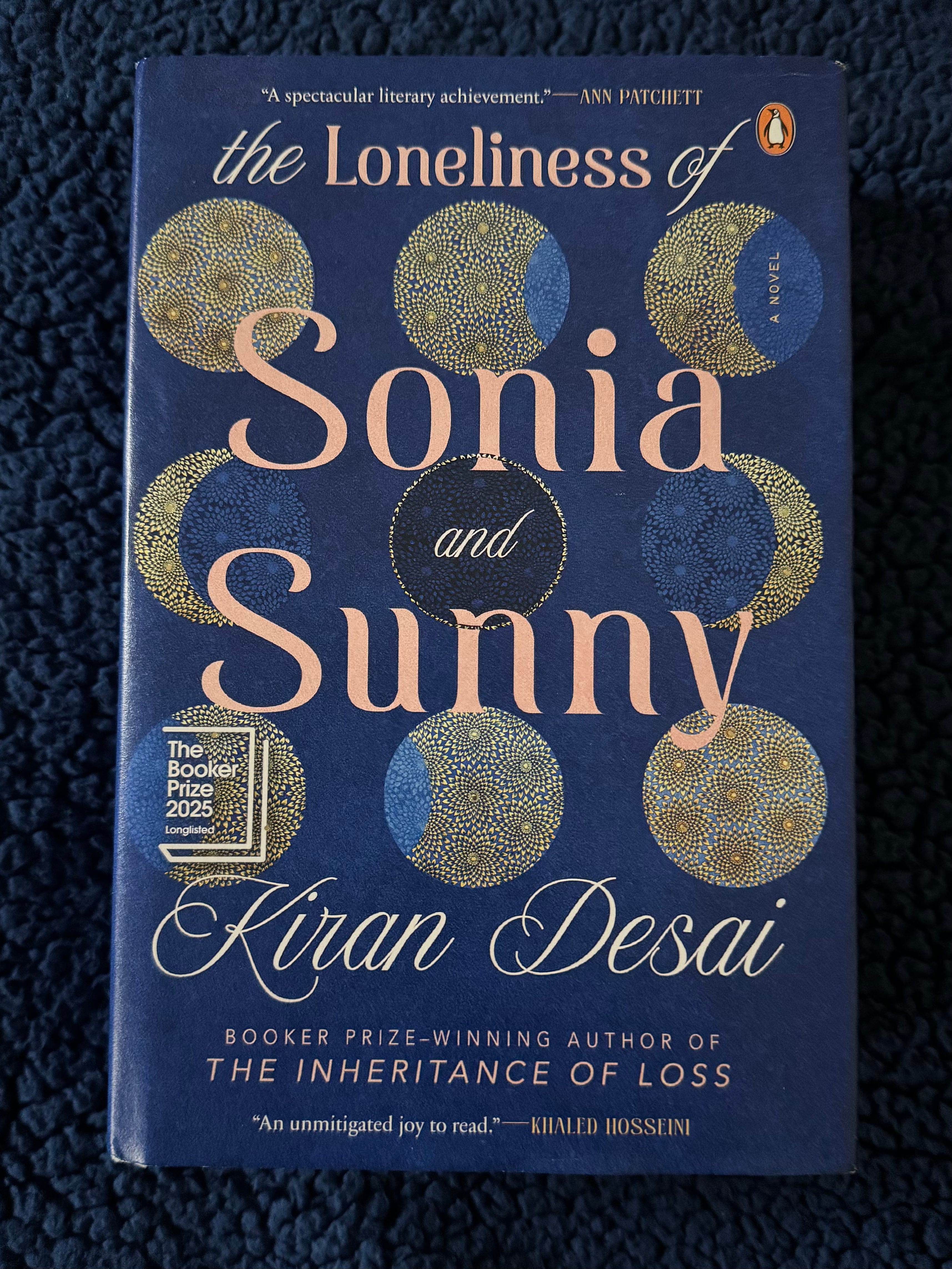
The Loneliness Of Sonia And Sunny written by Kiran Desai and published by Hamish Hamilton (Penguin)
I’ve been hearing a lot about this book and was curious to read it. Dedicated the whole month to reading it given its length – 688 pages! Set in the nineties across various locations, the story follows titular protagonists Sonia and Sunny. We are first introduced to Sonia who is studying in America and seems to be depressed from the loneliness of the American way of life. In a bid to solve this problem, her grandparents try to matchmake her with their neighbour’s grandson Sunny who is also in America at the time. Sunny’s family (especially his mother) is against this and even Sunny feigns disinterest since he has a girlfriend. However, his curiosity is piqued. The proposal falls through and life goes on. In the meanwhile, Sonia gets tangled up in a toxic love affair with an eccentric artist who is much older than her. After a series of humiliating events, Sonia leaves and goes back to India. We are introduced to her parents who are going through their own problems and now live separately. Parallelly, Sunny also struggles with figuring his life professionally and personally – a possessive mother, a patronising girlfriend, a clingy yet insecure childhood friend, and the pains to become an established writer. A domino of incidents on both sides bring Sonia and Sunny face to face back in India which starts their own story. (Mind you, they only meet after about 300 pages or so.) We see them struggle with their identities, ideologies, idiosyncrasies and those of the other, while trying to figure what they ultimately want to do with their relationship. I have mixed feelings about this book. Kiran Desai is a writer worth her ink, no doubt. Her sentences are beautiful and flow with such ease. It’s a pleasure to read her writing. I also liked certain sections where she talks about urban loneliness, families struggling with modernity and tradition as well as the changing aspirations of Indians at the time. I was pleasantly surprised that I didn’t get confused with so many characters and their story arcs. There’s a character chart in the first page of the book that aids with this but I never had to refer to it because of the way the characters were written. However, I wasn’t the biggest fan of the plot of this story which tried to be cinematic but seemed more filmy. On that note, I will not be surprised if this book gets adapted for the screen. Certain portions of her writing especially when she talks about Sonia and Sunny’s respective families reminded me a bit of Anita Desai who writes masterfully about Indian families. (Seriously, go read Clear Light Of Day and Fasting, Feasting.) I also felt that this book was indulgent and could have been trimmed down a bit. The pacing could have been better as it was a bit rushed towards the end while the beginning and certain mid portions felt stretched out. Overall, it’s a decent read if you have the patience for 688 pages.
Speaking of love stories, February is the month of Valentines after all. So, I thought I’d list down some stories that I’ve either resonated with, changed the way I look at love or stayed with me in some way.
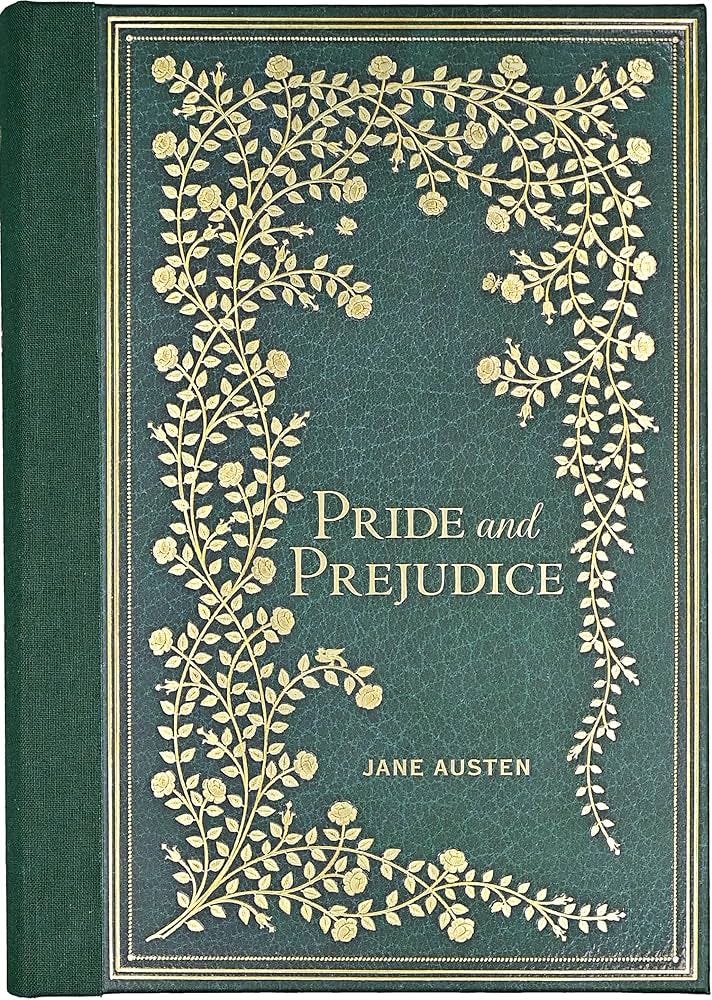
Pride & Prejudice written by Jane Austen
Of course this was going to be on the list! For the uninitiated, this is a story set it early 19th century in England. We meet the Bennett family and our female protagonist Elizabeth Bennet who is headstrong, candid, opinionated and rather tired of society’s rules. Her mother is out to make sure that her daughters’ are secured through marriage much to Elizabeth’s chagrin. In the middle of all this matchmaking, Elizabeth meets Mr Darcy - the quintessential handsome rich man with an attitude problem. Their first meeting does not go well and our heroine has decided that she doesn’t like him. The OG classic meet cute. What follows is an observational telling of society’s complex layers through the Bennet family and the other characters they interact with. What stayed with me the most in this story was the theme of pride itself and how often that line can blur with self-respect. Mr Darcy is too proud to admit his initial interest in Elizabeth while she has written him off because her pride got hurt. Each time either of them try to reach out to the other one of their egos inevitably get in the way until both of them learn to let go of it. How often do we let ego come in the way of our relationships? Romantic or not. I know I’ve been guilty of it. Still sometimes am. Though I’d like to believe I am more self-aware now. But this is a story that still holds a lot of relevance today as well with the way it approaches interpersonal relationships and social structures.
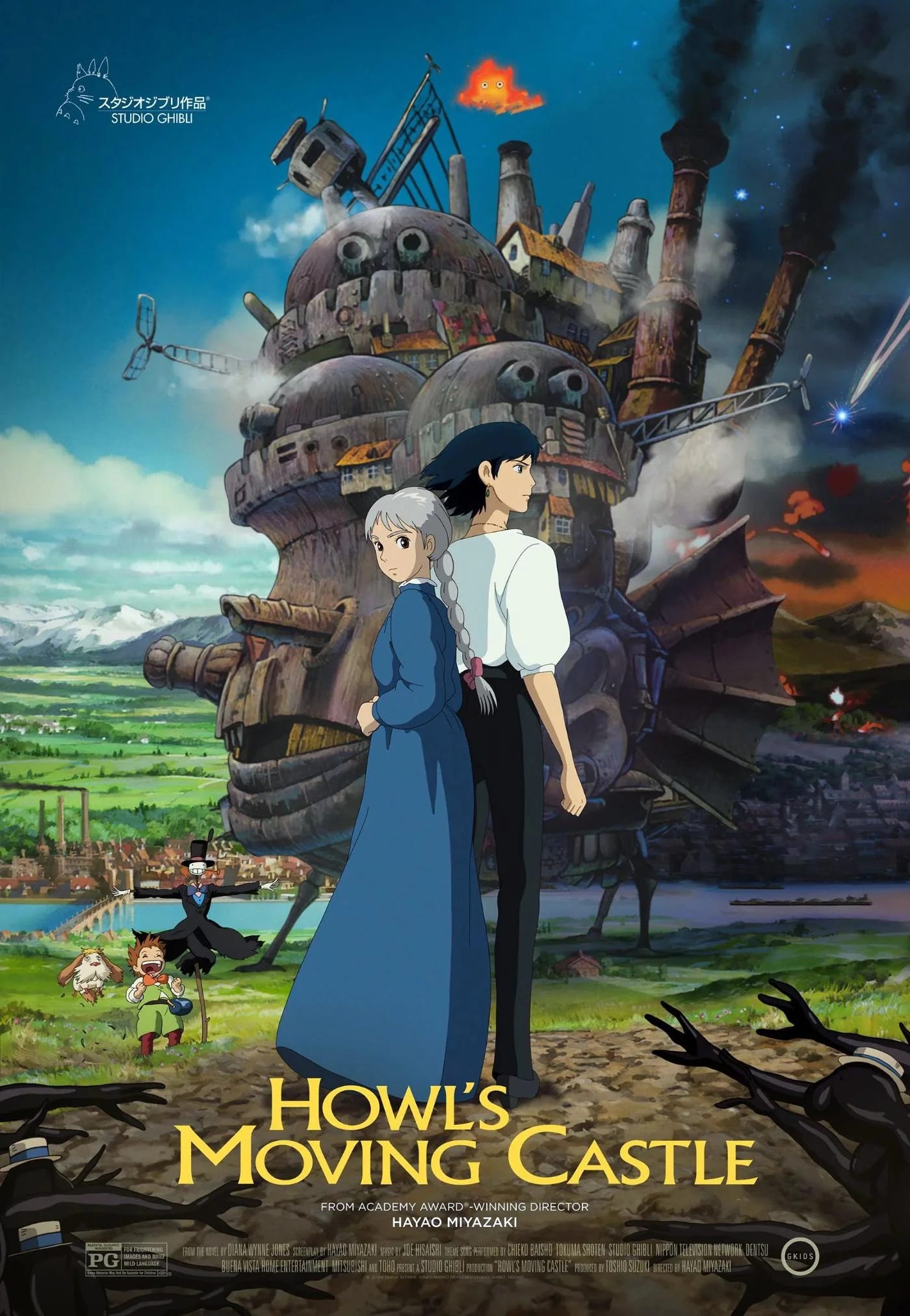
Howl’s Moving Castle written and directed by Hayao Miyazaki, produced by Studio Ghibli
This is based on a book of the same name written by Diana Wynne Jones and published in 1986. I have not read the original story so I’m not sure how different Studio Ghibli’s version might be from the book. Though I’ve been told there are some major thematic differences. However, I loved the animated film once I discovered it a couple of years ago! The story follows Sophie, a young hat maker who is visiting her sister. She bumps into Howl who is a wizard and has a bit of an adventure. While returning home, she encounters the Witch of Waste who ends up turning her into a 90-year-old woman! One thing leads to another and she finds herself in Howl’s enchanted castle! She strikes a deal with a fire demon that if she helps him break free of Howl then he will help her break her curse. What follows is a series of adventures set in a fantasy kingdom that is caught in a war and how each character grows and finds their own fate. The romance between Sophie and Howl is a rather endearing one. They start as strangers, become friends and eventually fall in love through all the ordeals they face. In some ways, this story reminds me of a more complex version of Beauty & The Beast. Here, each character has a darker side to them and they all come to accept each other for who they are. There’s also a character who professes his love for Sophie in the end but respects her affections for Howl and leaves. I think what really stayed with me about Howl and Sophie was how comfortable and carefree they were with each other even when they took on different forms. There was no judgement. Just a natural acceptance of what each of them were. You can catch the movie on Netflix.
Fun Fact: Miyazaki originally made this movie as a sign of opposition to the Iraq War which occurred in 2003. His rage led him to make Howl’s Moving Castle which he felt would make a statement when it released in the US.
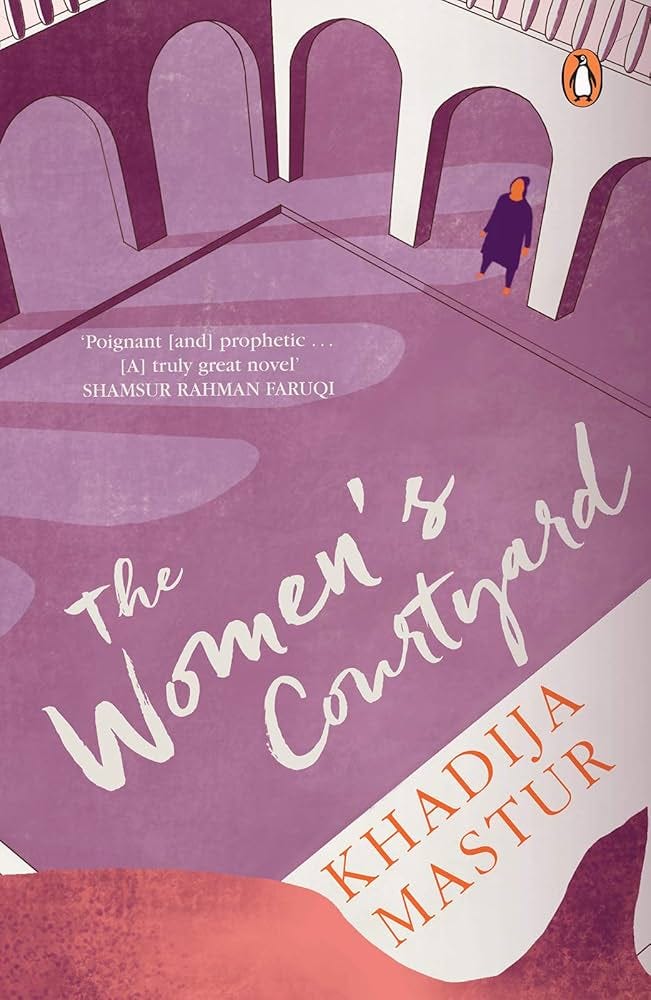
Aangan (The Women’s Courtyard) written by Khadija Mastoor
Originally written in Urdu by Khadija Mastoor, I read the English translation by Daisy Rockwell. I happened to first watched the TV adaptation of the book which is what drove me to pick it up. And I enjoyed the book more than the series but also spotted some differences in plot and character between the two. Aangan is about multiple generations of women – primarily 3 of them accompanied by supporting characters – and their views on relationships and love. This story is set in British India and is told through the perspective of Aliya. We see how the freedom movement and partition affect this family and multiple relationships. Aliya is ambitious and talented but is stifled by all the restrictions placed on women at the time. She fears romantic relationships as she sees the toll it takes on her elder sister Tehmina, her aunt Salma and her neighbour Kusum who is a Hindu widow. Due to circumstances, Aliya and her mother are forced to live in a relative’s house where she is constantly pursued by her cousin Jameel. Though Jameel and Aliya’s story form a fair chunk of this novel, it is all the other characters and sub-plots that really drive the narrative. And unlike usual love stories – yes, I’m going to give a spoiler – this couple doesn’t end up together. What drew me to Aangan was the complexity of each character’s view on love. Aliya in some ways reminded me of Jo from Little Women where she is torn between the fear of love as well as losing her agency and her desire for companionship. While Jo managed to find someone, Aliya is seemingly consumed by her own fear and stubbornness on this. I have to give a shoutout to the character Chammi though. In the book, she can come across as annoying but you’ll love the way she’s been portrayed in the TV series played smashingly by Sajal Aly. I’m not sure where you can watch this series now but here’s a fan video with the title song from the show.
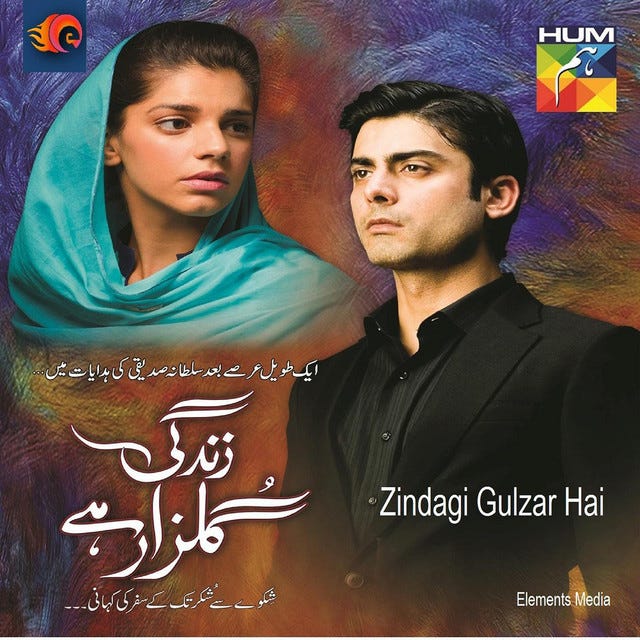
Zindagi Gulzar Hair written by Umera Ahmad and directed by Sultana Siddiqui
This is an Urdu series based on a novel of the same name by Umera Ahmad who also wrote the screenplay for the show. It focuses on two primary characters – Kashaf and Zaroon who come from two different backgrounds. Kashaf comes from a lower middle class family. Her father has abandoned her mother along with her two younger sisters and herself. He marries again and has a son who he dotes on. It is no surprise then that Kashaf turns out to be bitter, stubborn, hyper-independent and distrusting of men. Zaroon on the other hand comes from an extremely privileged and liberal background. A little ‘too liberal’ for his liking. He has seen his mother treat his father poorly and disrespect him in the name of independence and equality. Zaroon is carefree, entitled and also stubborn. We follow these two characters over many years from their days in university to them actually getting married to each other and becoming parents. More than anything I liked the fact that there were backstories for these characters that gave context for their views on life, and the fact that these two are flawed. We see either Zaroon or Kashaf messing up at different points and how they keep finding their way back to each other. I also love the supporting characters in this story! You might be able to catch this on Netflix or Zee5.
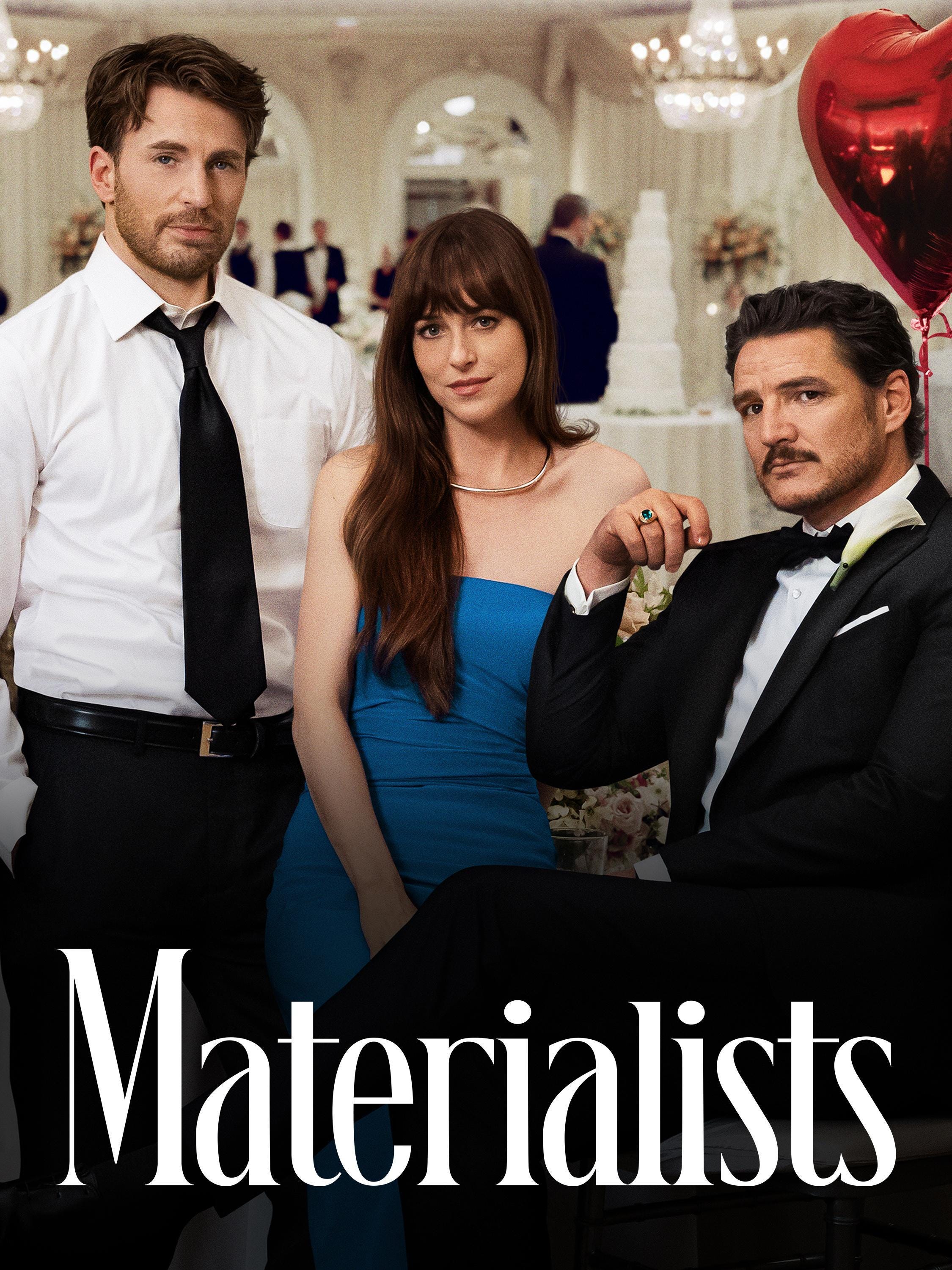
Materialists written & directed by Celine Song
An English movie that follows a matchmaker Lucy (Dakota Johnson) and what happens when she ends up meeting the ideal man Harry (Pedro Pascal) and her struggling ex-boyfriend John (Chris Evans). I love how this film talks about dating and relationships in modern times. I especially liked the way they portrayed female needs v/s wants in relationships through Lucy’s own predicaments as well as her clients. Also, the different prejudices women and men have to go through when looking for love. This movie got a lot of backlash since Lucy finally chooses to be with John and it made it seem like there was this glorification of ‘the broke guy’. But, I didn’t feel that at all. If anything, their union made the most sense to me. In the film Lucy keeps talking about the math in a relationship. Harry ticks all the boxes – though he has his own insecurities – and he’s a perfect ten while she isn’t. Whereas John doesn’t have much going for him and Lucy is significantly more secure in her life. Yet John and Lucy make sense if we’re looking at her analogy of math. How? There is similarity in their family backgrounds, what their dreams used to be and the fact that they were always friends. So there’s an implicit trust and understanding between them. In one scene Lucy says that her fights with John also reminded her of her parents and she hated that because she could see the same issues. But I think this is exactly why Lucy and John work. They understand each other’s worlds and are unfiltered with each other. Hence, the math adds up. I also like how Lucy and John genuinely think about how to make their relationship work in the end given their respective careers and how they might want to progress in life. Materialists is a practical movie about relationships with its heart in the right place. It raises questions about if you truly can live on love and fresh air. This one is currently streaming on Netflix.
That’s all from me for February. I’ll be combining March and April’s newsletter since a lot has been going on! So, you’ll mostly get it by mid-May.
Till then keep living, laughing and learning.
Love & Light,
Sangeetha a.k.a.
The Moody Marshmallow
P.S. – I’ve been having this song Asma Asma from the movie Do Deewane Seher Mein on loop this month.